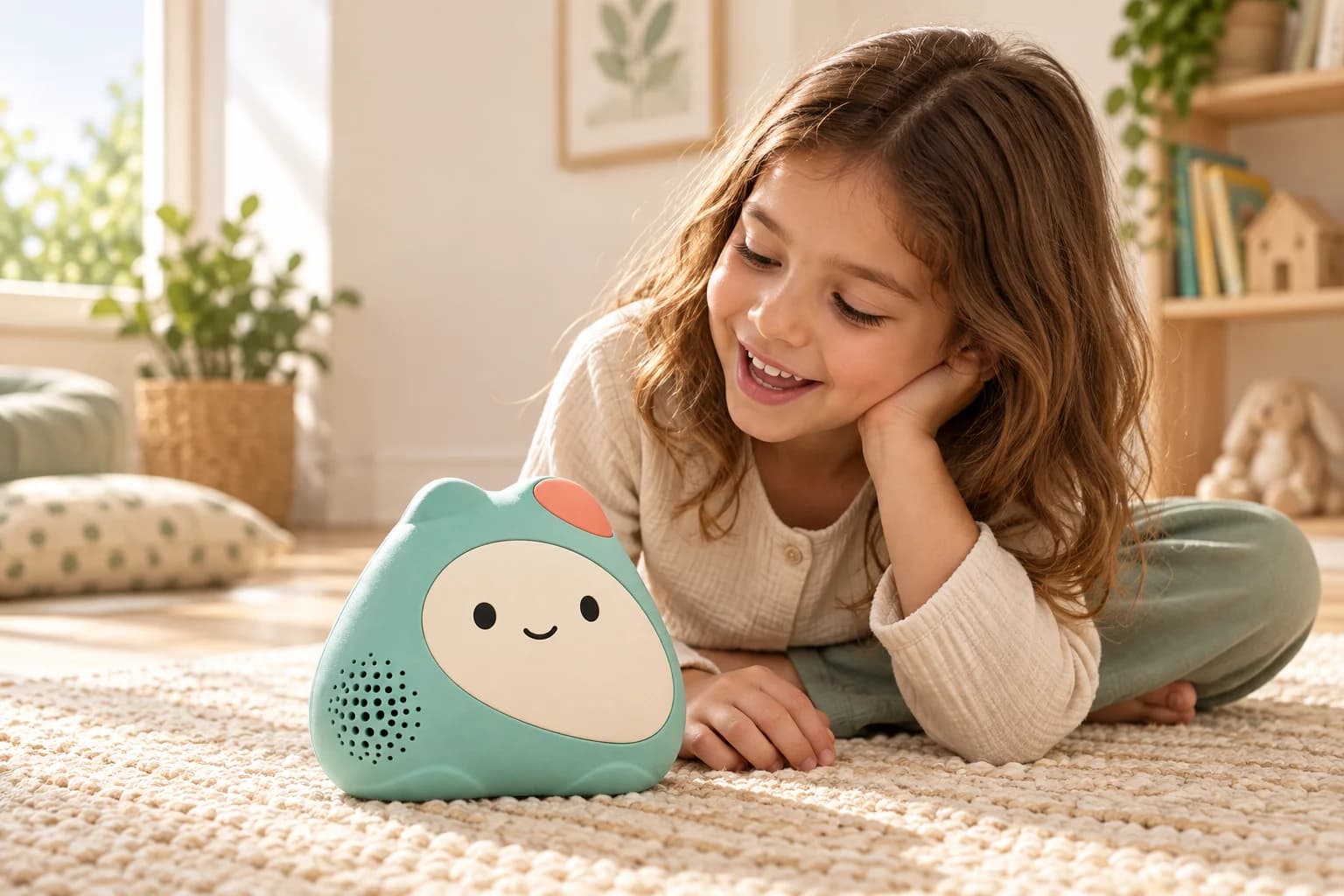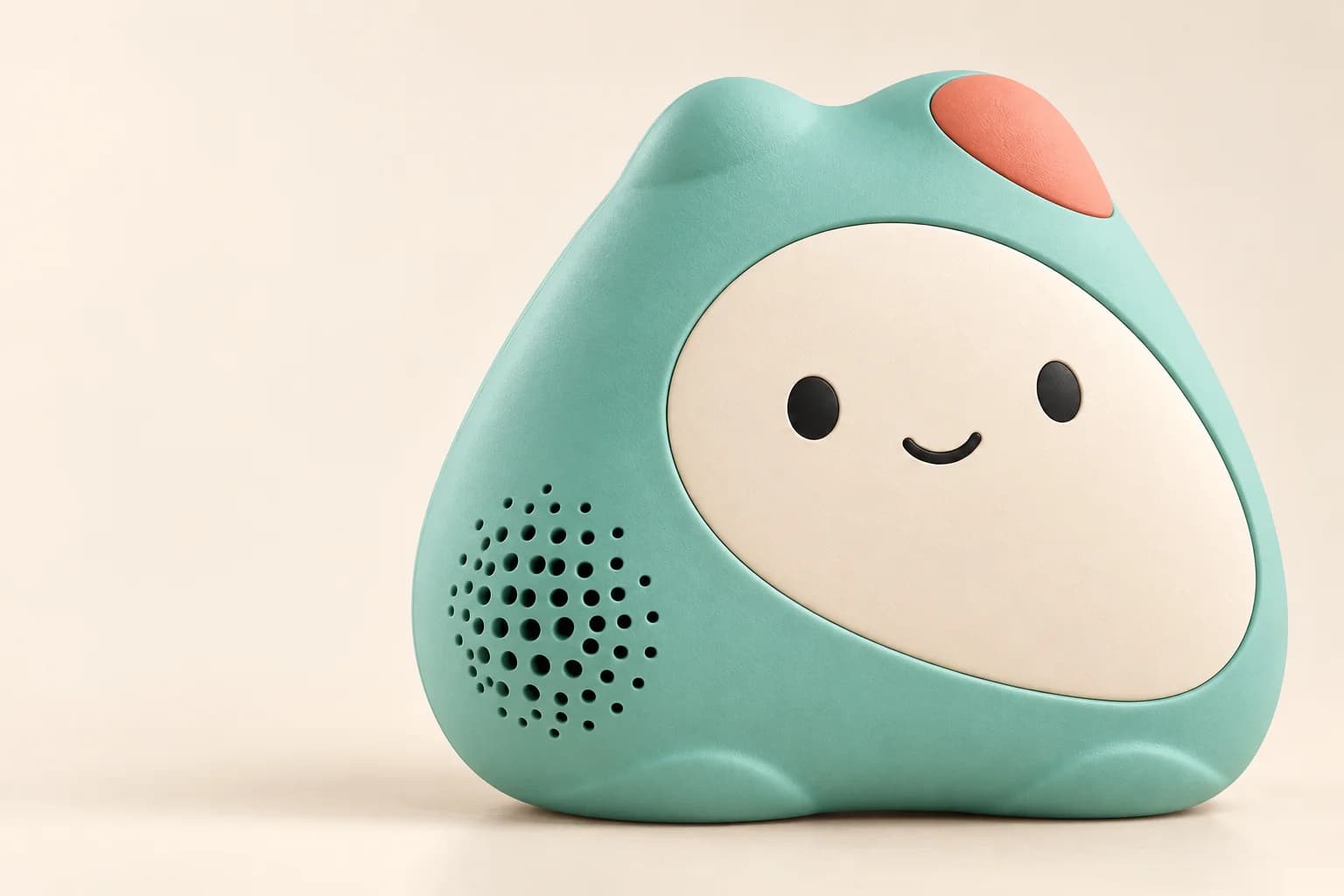
How to choose a screen-free educational toy: a parent's checklist
The short answer
A good screen-free educational toy keeps your child doing the thinking, talking or making, suits their age and interests, and grows with them. For talking or internet-connected toys, also check what the microphone records, where data goes, what controls parents have, and whether the company publishes a clear privacy policy before you buy.
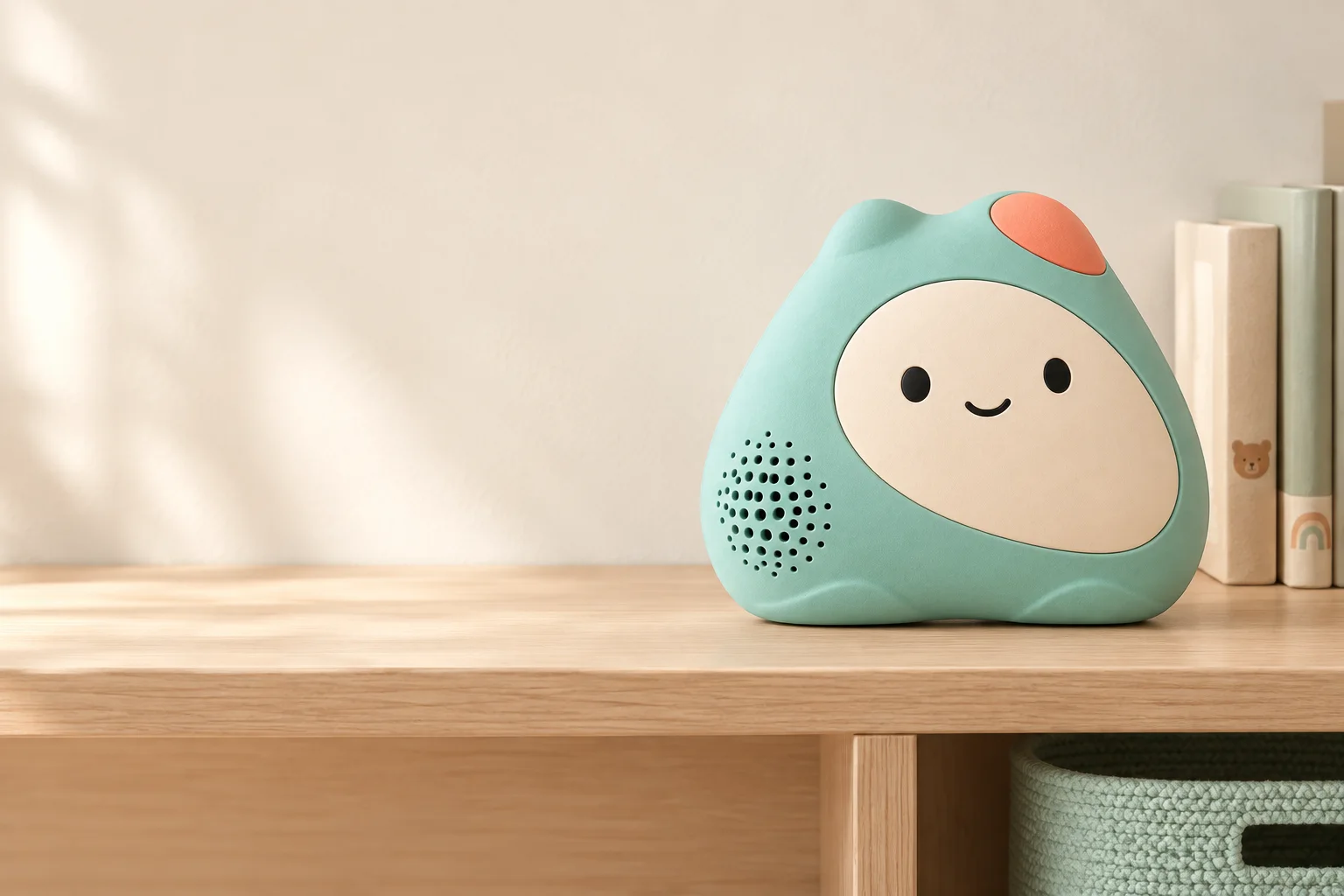 Concept image
Key takeaways
- Prefer toys where the child is active, not just watching or pressing a button for a reward.
- Open-ended toys (blocks, story stones, role-play sets) tend to last longer than single-trick toys.
- For connected or talking toys, read the privacy policy and check parental controls before buying.
- Look for honest claims. Be wary of promises that a toy will make a child "smarter" or "ahead".
1. Does the child do the thinking?
The most useful question is simple: who is doing the work? If the toy flashes lights and plays songs while your child watches, they're mostly a spectator. If it asks them to build, sort, retell, guess or explain, they're learning actively.
- Does it invite your child to talk, ask questions or make choices?
- Is there more than one way to play with it?
- Can it be played together with a parent or sibling?
2. Does it fit your child's age and interests?
Age labels are a starting point, not a rule. A toy that's slightly challenging, with room to grow, holds attention longer than one that's too easy. Interests matter just as much: a child who loves animals will engage more with counting animals than with counting abstract shapes.
3. For talking and connected toys: the privacy questions
Voice-based and Wi-Fi-connected toys can offer conversation and personalised practice, but they handle children's voices and data, so they deserve extra scrutiny. Before buying, look for clear answers to these questions:
- When is the microphone listening? Only after a button press or wake word, or all the time?
- Are recordings stored? If so, where, for how long, and can you delete them?
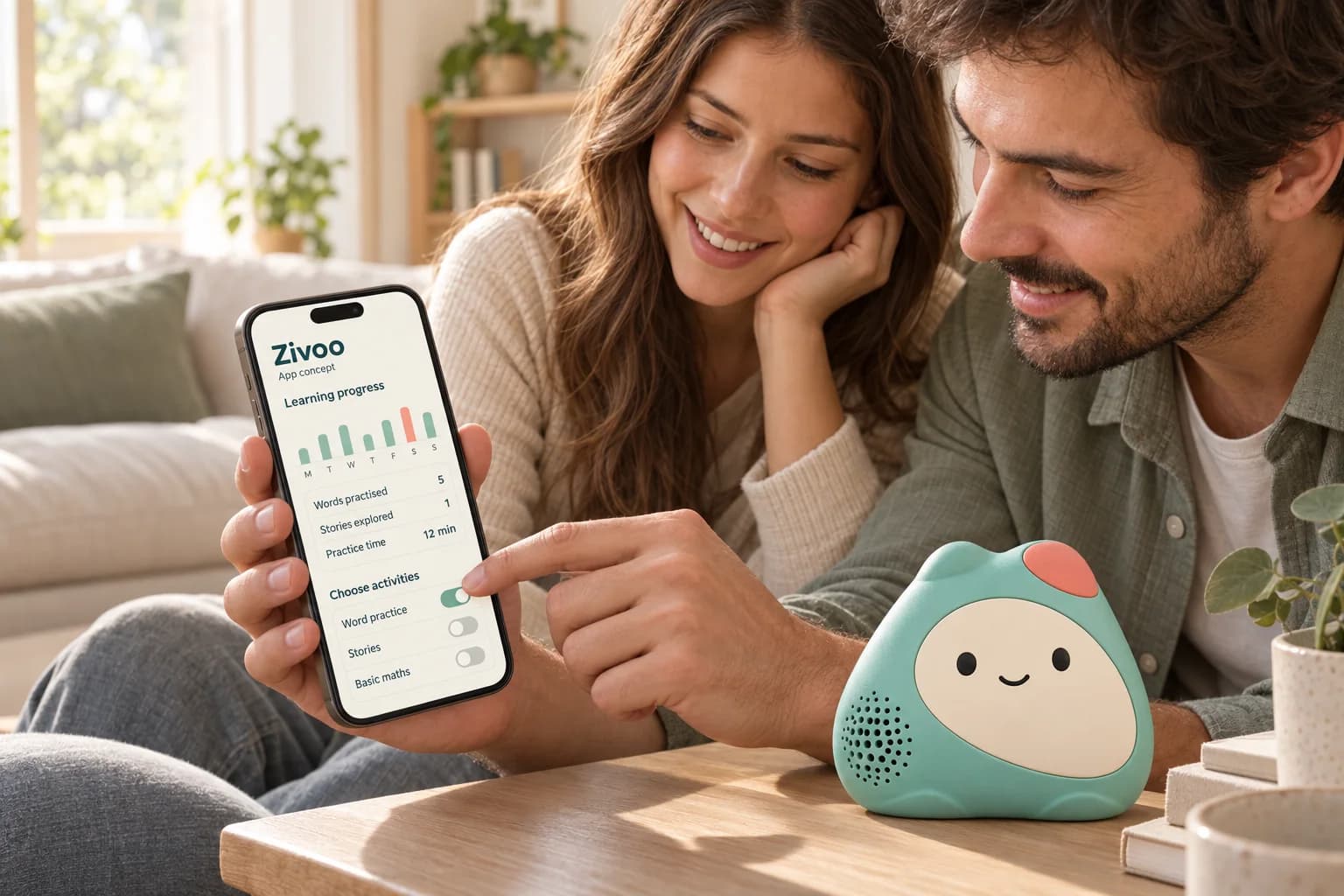
- What do parents control? Look for settings for activities, usage time and data.
- Is there a published privacy policy? It should be written in plain language and specific to the product.
- Does the company follow child-privacy rules where you live? For example COPPA in the US, the UK's Age Appropriate Design Code, or India's Digital Personal Data Protection Act, 2023.
- What happens without Wi-Fi? Some toys stop working entirely offline, which is worth knowing in advance.
Official guidance is a useful benchmark: the US Federal Trade Commission's children's privacy (COPPA) resources (opens in a new tab), the UK Information Commissioner's Office Children's code guidance (opens in a new tab), and India's Ministry of Electronics and IT data protection framework (opens in a new tab).
4. Is it built for real childhoods?
- Rounded edges, no small detachable parts for younger children, and secure battery compartments.
- Materials that survive being dropped, chewed or left in the garden.
- Easy to clean.
- Simple to start, so your child can use it without asking you every time.
5. Are the claims honest?
Be cautious of toys promising to raise IQ, guarantee reading by a certain age or make a child "ahead". Children learn in many ways and at different speeds. Good companies describe what the toy does and is intended to help with, and make clear what's still in development.
Quick checklist
| Question | Good sign |
|---|---|
| Who does the thinking? | The child talks, builds, guesses or explains |
| Will it last? | Several ways to play; grows with the child |
| Is it safe? | Age-appropriate parts, sturdy, easy to clean |
| If connected: is data handled carefully? | Clear privacy policy, parental controls, deletion options |
| Are claims realistic? | Describes intended benefits, not guarantees |
Frequently asked questions
What is a screen-free educational toy?
A screen-free educational toy helps children practise skills such as language, counting, problem-solving or storytelling without a display. Examples include building sets, puzzles, story cards, role-play kits and talking toys that hold a conversation without showing anything on a screen.
Are talking learning toys safe for children?
They can be, but check how they handle voice data before buying: when the microphone listens, whether recordings are stored and for how long, what parental controls exist, and whether there is a clear, product-specific privacy policy.
What should I look for in a toy for a 4-year-old?
Look for toys that keep the child active, such as building, pretending, talking and sorting, that suit their interests and offer more than one way to play, with sturdy construction and no small parts.
Sources
This article is general information for parents, not medical or developmental advice. If you have concerns about your child’s development, speak to your health visitor, GP or paediatrician.