Screen-free learning at home: a practical guide for parents
The short answer
Screen-free learning means children build skills such as vocabulary, spelling, counting and storytelling through talk, play and hands-on activities rather than through a tablet, phone or TV. It doesn't require special equipment. Everyday conversation, games played out loud, books and simple objects around the house are enough.
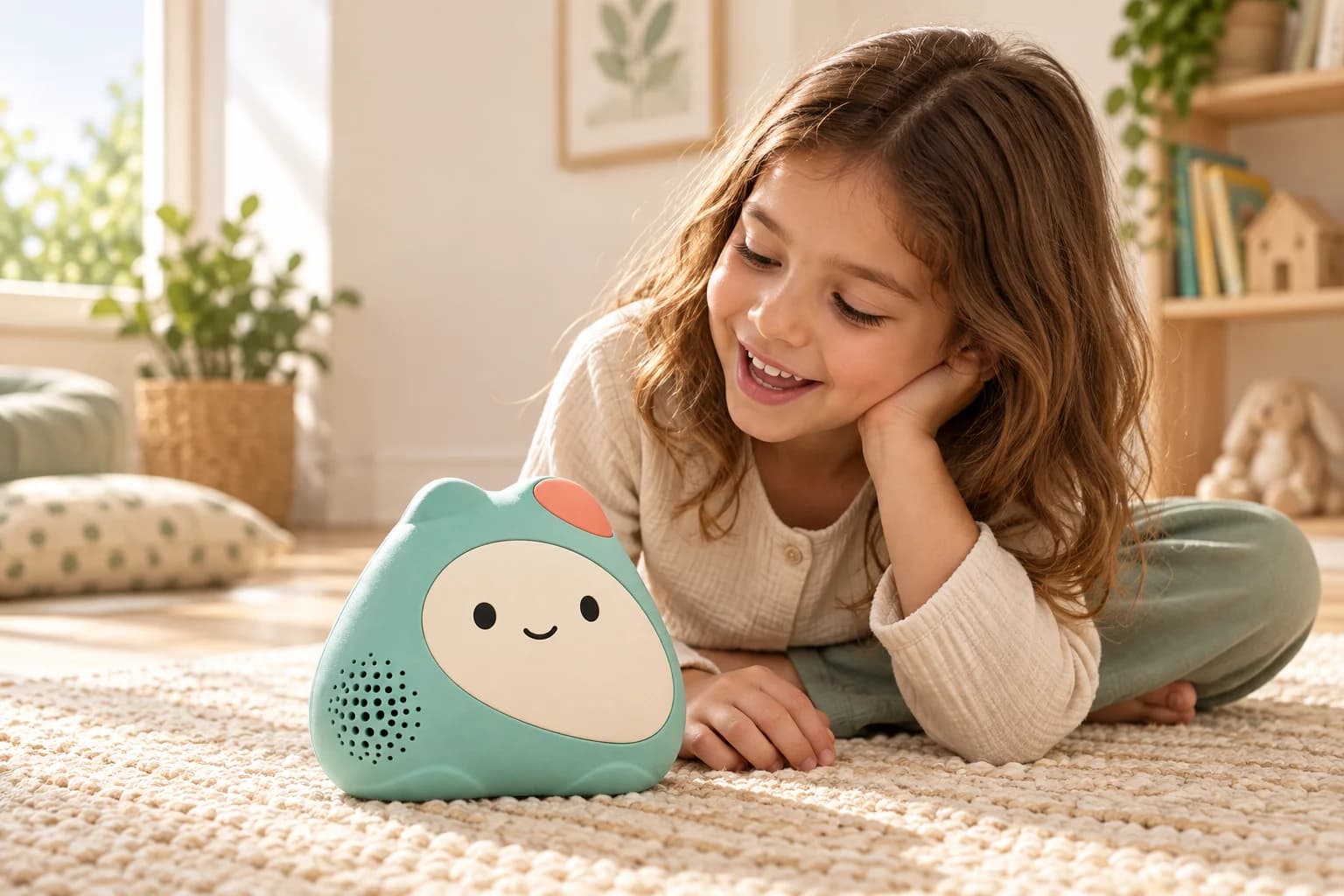 Concept image
Key takeaways
- Screen-free doesn't mean tech-free. It means learning that doesn't depend on looking at a display.
- Short, frequent, playful moments beat long formal sessions for young children.
- Speaking and listening sit underneath reading, writing and maths, so talk-based games are a strong foundation.
- Follow your child's interests: a dinosaur fan will happily count, spell and storytell about dinosaurs.
What "screen-free learning" really means
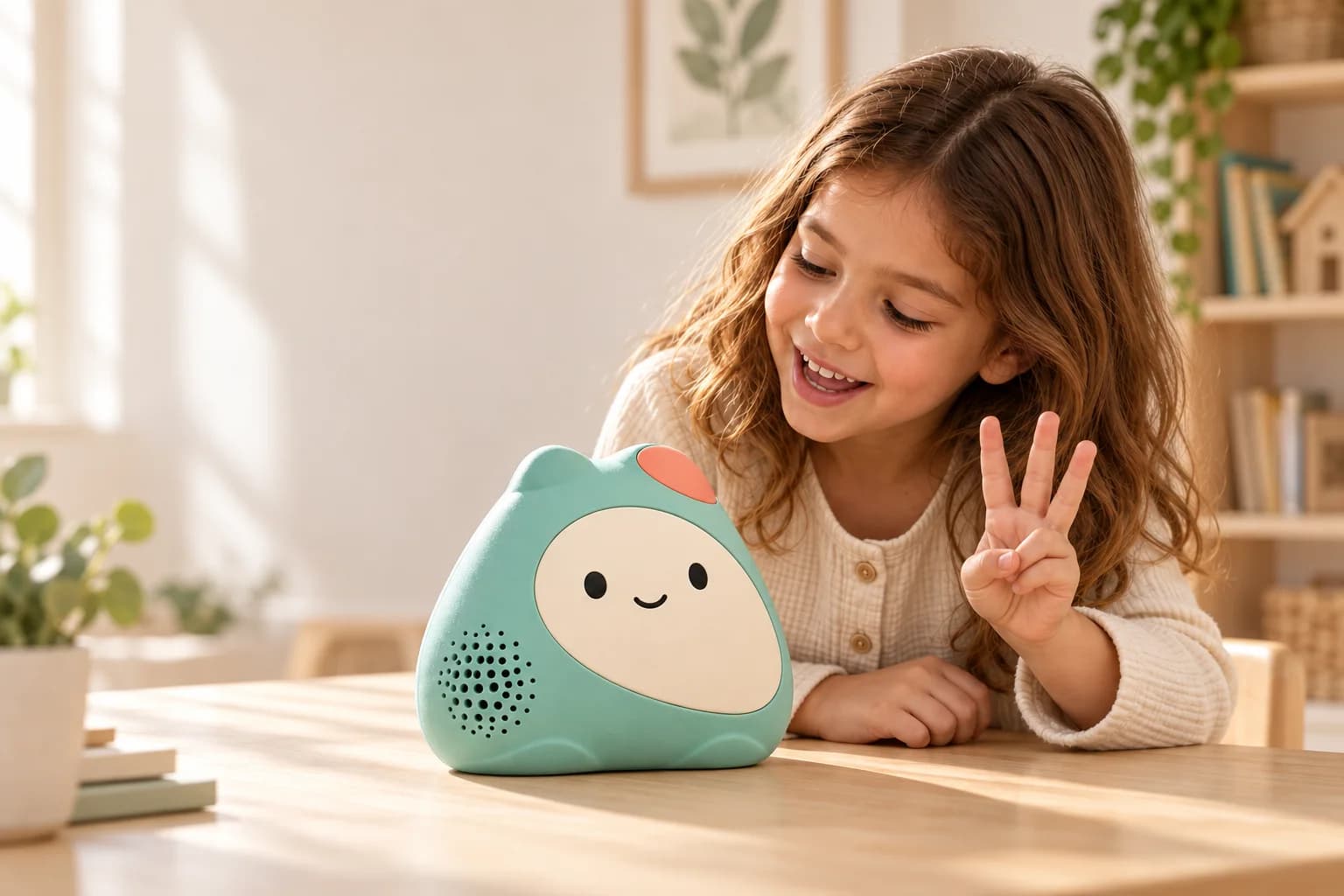
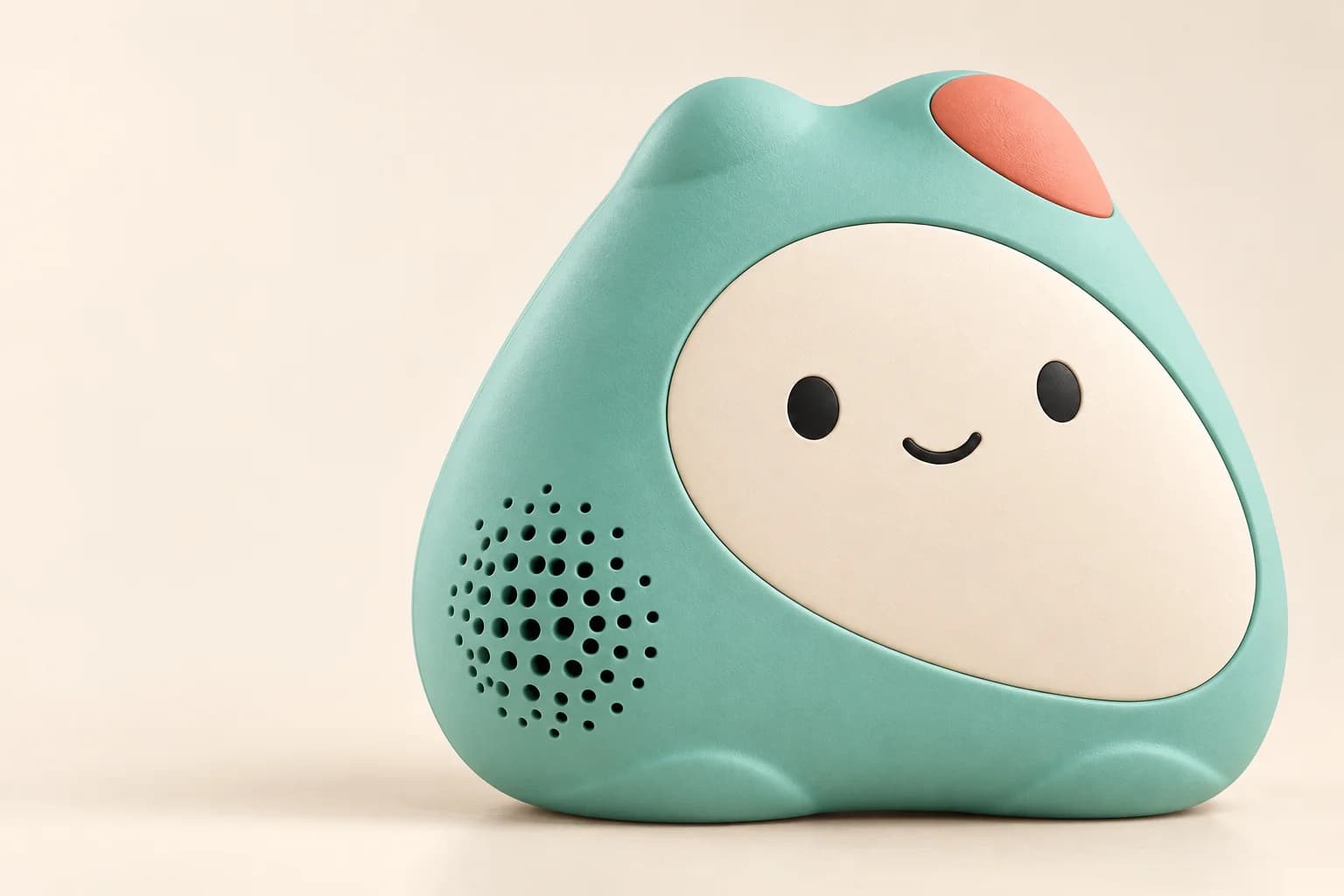
The phrase gets used loosely, so here's a practical definition: screen-free learning is any learning activity where the child's attention is on people, objects or ideas rather than on a display. A wooden puzzle counts. So does a game of twenty questions in the car, or a toy that talks with a child without showing them anything.
For families, the goal usually isn't zero technology. It's moving some of the time children spend watching into time spent talking, moving and making. That also reflects published guidance for young children, which we summarise in How much screen time is right for young children?.
Why talking is the most underrated learning tool
Children's language grows through responsive conversation, where they say something and someone responds to them specifically. Harvard's Center on the Developing Child describes these exchanges as serve and return (opens in a new tab) and notes they support early language and social skills.
Talk is also where many school skills start. Before a child spells "ship" on paper, they need to hear the separate sounds in it. Before they add numbers in writing, they reason about "three and two more" out loud.
20 screen-free activities by skill
Words and vocabulary
- Word of the day: pick one interesting word ("enormous", "fragile") and both try to use it three times.
- Opposites ping-pong: you say "hot", they say "cold". Then swap who leads.
- Describe it without naming it: take turns describing an object until the other guesses.
- Category race: name as many animals, fruits or vehicles as you can before a song ends.
- Narrate together: while tidying, describe what you're doing using position words like under, behind and between.
Spelling and sounds
- Sound-it-out: say a short word slowly ("c-a-t") and ask them to blend it.
- Rhyme chains: how many words rhyme with "bee"? Silly made-up words count too.
- Spell-aloud: spell a three-letter word out loud together, then change one letter.
- First-sound hunt: find five things in the room that start with "s".
- More ideas in our guide to spelling games for kids.
Numbers and maths
- Snack maths: "You have four grapes and eat one. How many now?"
- Stairs counting: count up going upstairs and down coming back.
- Shop role play: price toys at 1, 2 or 3 coins and take turns buying.
- Bigger or smaller: guess which of two objects is heavier, then check.
- Pattern clapping: clap-clap-stomp, clap-clap-stomp… what comes next?
Stories and reasoning
- Story stones: draw simple pictures on stones and pull three to build a story.
- What happens next? Pause a book before the page turn and ask for a prediction.
- Retell it backwards: tell the end of a familiar story first and work back.
- Why questions: "Why do you think the fox changed her mind?" There's no wrong answer.
- Try the prompts in questions to ask after a bedtime story.
Making it a routine without making it a chore
- Attach activities to things you already do: meals, bath, car journeys, bedtime.
- Keep it short. Five playful minutes beats twenty reluctant ones.
- Let your child lead the topic and you shape the challenge.
- Celebrate effort and good guesses, not just right answers.
Frequently asked questions
What is screen-free learning?
Screen-free learning is learning that happens through talk, play and hands-on activities rather than through a tablet, phone, computer or TV. Examples include reading together, word and number games played out loud, building, role play and toys that invite a child to speak or make things.
Are screen-free activities better for young children?
Health bodies such as the WHO and AAP recommend limiting screen time for young children and prioritising active play, sleep and interaction with caregivers. Screen-free activities naturally provide more of those.
What are good screen-free activities for a 5-year-old?
Rhyming games, spelling short words out loud, counting games with snacks or stairs, story stones, simple role play such as playing shop, and talking about books by asking what might happen next.
Sources
This article is general information for parents, not medical or developmental advice. If you have concerns about your child’s development, speak to your health visitor, GP or paediatrician.