12 spelling games for kids that need no screens, paper or prep
The short answer
Out-loud spelling games work because spelling starts with hearing the separate sounds in a word. Games like sound-it-out, rhyme chains, change-one-letter and spelling bees in the car let children practise anywhere, with no screens or worksheets. Keep rounds short, start with words they can sound out, and praise good attempts.
 Concept image
Key takeaways
- Spelling builds on listening: children need to hear the sounds in a word before they can write it.
- Start with short words that follow regular patterns (cat, ship, frog), then add tricky ones gradually.
- Five minutes a day of playful practice is more effective than one long session a week.
- Mistakes are useful: "That's a great try, it does sound like that! This word uses 'sh'."
Why practise spelling out loud?
Writing a word asks a child to do several things at once: hear the sounds, match them to letters, remember the order and form the letters by hand. Taking the pencil out of the picture lets children focus on the first three. It also means you can practise in places where paper and screens aren't practical, like walks, bath time or queues.
Starter games (ages 4 to 5)
- Robot talk. Say a word in a robot voice, sound by sound ("d-o-g"), and your child blends it back into "dog". Then swap roles.
- First-sound hunt. "Can you find something that starts with ssss?" Snake, sock, spoon…
- Rhyme chain. Take turns adding rhymes to a word. Made-up words like "zat" are welcome, because they still show your child can hear the pattern.
- Clap the syllables. Clap out names and objects: "di-no-saur" is three claps.
Building games (ages 5 to 7)
- Change one letter. Spell "cat". Now change one letter to make a new word: "hat", "hot", "hop"… How long can the chain go?
- Spell-aloud relay. You say the first letter, they say the next, and so on.
- Mystery word. Spell a word out loud and your child works out what it is. They'll be listening very carefully.
- Silly sentences. Pick a spelling pattern ("sh") and make the silliest sentence you can: "She shook a shiny shell." Then spell one word from it.
Stretch games (ages 7 to 8)
- Car spelling bee. Take turns choosing words for each other. Let your child pick a word for you too, and get one wrong on purpose sometimes.
- Word families. "Light, night, bright… what other words have the 'ight' pattern?"
- Plural puzzles. One fox, two… foxes! One baby, two… babies! Talk about why the endings change.
- Spell and define. Spell a word, then explain what it means in your own words.
Spelling practice with Zivoo
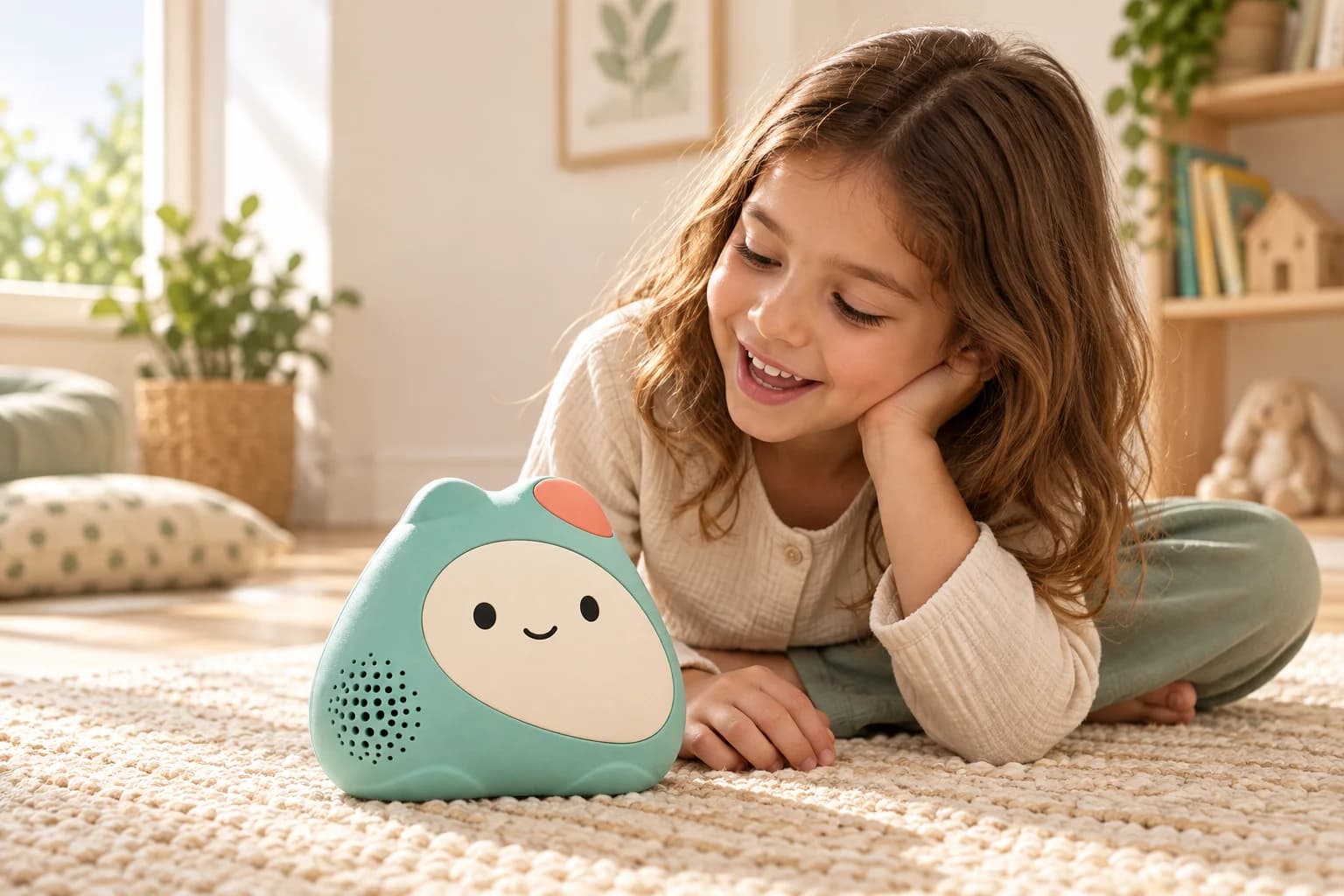
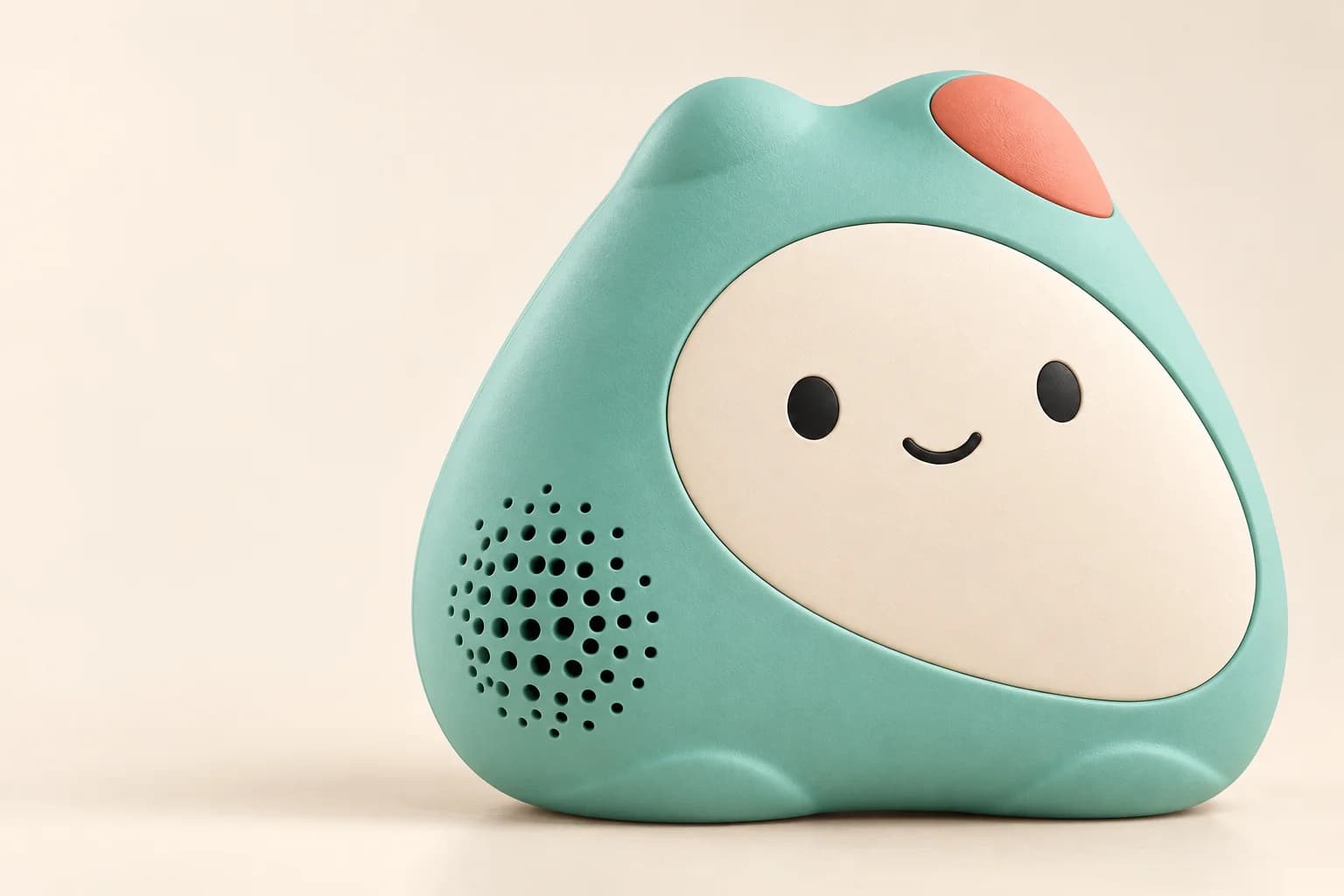
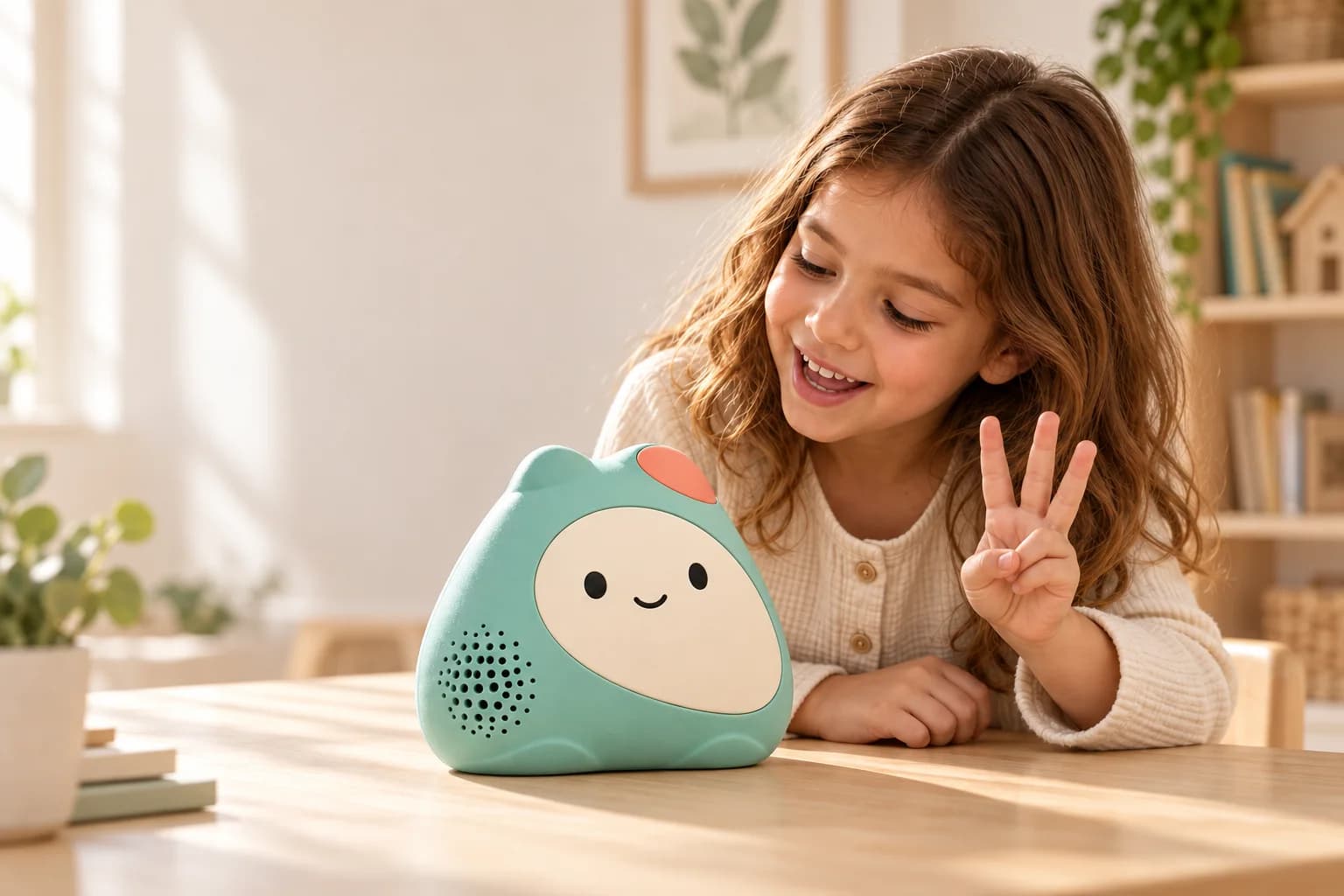
Spoken spelling is one of the planned activities for Zivoo, our screen-free learning toy in development. Zivoo is designed to ask a child to spell a word out loud, one letter at a time, without a screen. Some letters sound alike (like B and D), so we are designing spelling with that in mind. It's intended to complement the games above, not replace playing them together.
Frequently asked questions
How can I help my child with spelling at home?
Practise little and often through games played out loud: sounding words out, rhyming, changing one letter to make a new word and spelling short words together. Start with regular words your child can sound out and add trickier ones gradually.
At what age should children start spelling?
Many children start hearing and playing with sounds and rhymes around ages 3 to 4, and begin spelling simple words around ages 5 to 6. Every child develops at their own pace, so follow your child's readiness and their school's approach.
Do spelling games really work?
Games keep practice short, frequent and enjoyable, which helps children stay motivated. Out-loud games also strengthen children's ability to hear the sounds in words, which spelling depends on.
This article is general information for parents, not medical or developmental advice. If you have concerns about your child’s development, speak to your health visitor, GP or paediatrician.